The Revolution in Dental Restoration Technology
The landscape of dental restoration has undergone a remarkable transformation over the past two decades, with surface texturing technology emerging as one of the most significant advancements in implant dentistry. This sophisticated approach has fundamentally altered the way titanium implants interact with bone tissue, resulting in faster healing times and improved long-term outcomes for patients. The science behind these microscopic surface modifications represents a fascinating intersection of materials engineering, biology, and clinical dentistry that continues to evolve at an impressive pace.
Modern dental implants in Plymouth and throughout the United Kingdom now routinely incorporate advanced surface treatments that were once considered cutting-edge research. These treatments create specific topographical features on the implant surface that encourage bone cells to attach, proliferate, and integrate more efficiently than ever before. The result is a dramatic reduction in the time required for osseointegration—the process by which the implant fuses with the jawbone—allowing patients to return to normal function considerably sooner than with traditional smooth-surface implants.
How Surface Texturing Accelerates Osseointegration
The principle behind surface texturing is elegantly simple yet scientifically complex. By creating micro- and nano-scale roughness on the titanium surface, implant manufacturers provide an environment that bone cells find particularly hospitable. These textured surfaces increase the available surface area for cell attachment whilst simultaneously creating mechanical interlocking points that enhance initial stability. Recent studies have demonstrated that surface modifications significantly influence cellular behaviour and protein absorption, which are critical factors in successful bone integration.
Types of Surface Treatment Technologies
Several distinct methods are employed to create these beneficial surface characteristics. Sandblasting with various particle sizes creates macro-roughness that promotes mechanical stability, whilst acid etching produces micro-pits that encourage cellular attachment. More advanced techniques include plasma spraying, anodisation, and laser modification, each offering unique benefits for different clinical situations. The choice of surface treatment can be tailored to individual patient needs, taking into account factors such as bone density, implant location, and overall health status.
The Biological Response to Textured Surfaces
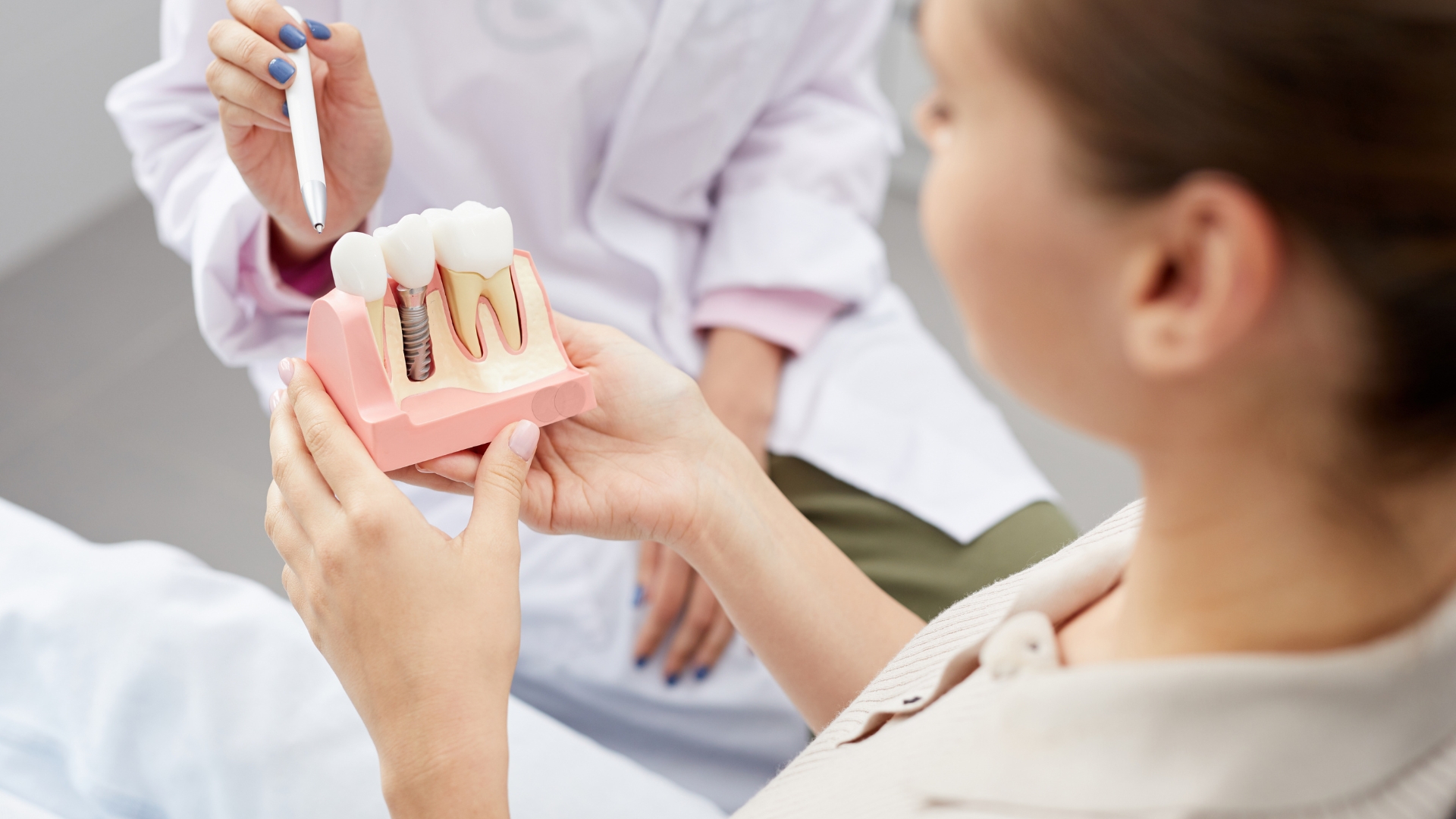
When an implant with advanced surface texturing is placed into the jawbone, a cascade of biological events occurs that differs markedly from the response to smooth surfaces. Osteoblasts—the cells responsible for bone formation—demonstrate enhanced adhesion to roughened surfaces, spreading more effectively across the textured landscape. This improved cellular response triggers accelerated production of bone matrix proteins, which form the foundation for new bone growth around the implant. The microscopic peaks and valleys of the textured surface also facilitate better blood clot retention immediately following placement, providing a scaffold for the subsequent healing process.
Research into implant surface texture and bone integration success has revealed that patients with textured implants often experience primary stability within weeks rather than months. This accelerated timeline means that provisional restorations can be fitted sooner, allowing patients to resume normal eating and speaking functions whilst the final integration process continues. The psychological benefits of this faster recovery cannot be overstated, as patients experience less disruption to their daily lives and greater confidence throughout the treatment journey.
Clinical Applications and Patient Benefits
The practical advantages of advanced surface texturing extend beyond mere speed of recovery. Patients with compromised bone quality, such as those with osteoporosis or who have experienced significant bone resorption, often achieve successful outcomes with textured implants where smooth-surface alternatives might have failed. Furthermore, experts examining the relationship between surface characteristics and integration outcomes have noted reduced failure rates and improved long-term stability across diverse patient populations.
The versatility of dental implants in Plymouth and other locations has expanded considerably thanks to these technological improvements. Immediate loading protocols, where temporary teeth are attached shortly after implant placement, have become increasingly viable due to the enhanced initial stability provided by textured surfaces. This represents a significant quality-of-life improvement for patients who might otherwise face extended periods without functional teeth.
The Future of Dental Implant Technology
As surface texturing technology continues to advance, the prospects for even faster recovery times and higher success rates appear promising. Ongoing research into bioactive coatings, growth factor incorporation, and nano-structured surfaces suggests that the next generation of dental implants in Plymouth and worldwide will offer unprecedented levels of performance and predictability for patients seeking permanent tooth replacement solutions.